With the growing popularity of AI in schools, it brings the question of whether AI is beneficial or damaging to those affected by its use.
“AI, in my opinion, is not necessarily a bad thing.” a NASH student, who asked to remain anonymous, said, “People think AI is going to replace jobs, but I think it will make more jobs, like Google did, because people will learn how to integrate it into their lives. AI is different, but it’s not bad.”
According to a national survey conducted by Tyton Partners in 2023, 27% of students reported being regular users of generative AI tools, as opposed to just 9% of instructors. Nearly half of students have tried AI writing tools at least once. These statistics have definitely increased since then.
AI can be extremely beneficial, allowing more accessibility for students who struggle in certain classes or with processing information, since generative AI can summarize notes or explain something in a way the student will understand.
In addition, certain AI, like Grammarly, can correct spelling mistakes and allow for better writing, giving diligent students the ability to improve their grammar for the future.
However, AI also has its downsides. Some students abuse AI in school, using it to cheat on tests or write essays for them. AI allows for laziness when it comes to schoolwork, giving teens an easy out to get their homework done or do well on an assignment that they aren’t prepared for.
“I think that AI in general is a terrible thing.” NASH junior Izzy West said, “I personally don’t use it, but on occasion, I have had to use it for school, because a teacher told me to. I think AI leaves people unable to think for themselves and find their own information.”
With easy access to Photomath, which can be used to complete math homework, and ChatGPT, which can be used to write essays, West may be correct. AI can hinder creativity and originality, making people overly dependent on technology rather than their own intellect and critical thinking skills.
Continuous use of AI has been linked to cognitive atrophy, which is the decline of cognitive abilities such as retention, attention span, and reasoning.
Additionally, generative AI—like ChatGPT—is not always accurate, and can provide biased or incorrect information. For example, in an article written by Lance Whitney, he says, “I asked ChatGPT to name the books that I’ve written. In response, the AI listed three books, two of which I hadn’t written and left out another book I had written.”
AI doesn’t just affect people while they’re in school. Certain generative AI can be a security risk, since it remembers conversations and has access to any information provided to it.
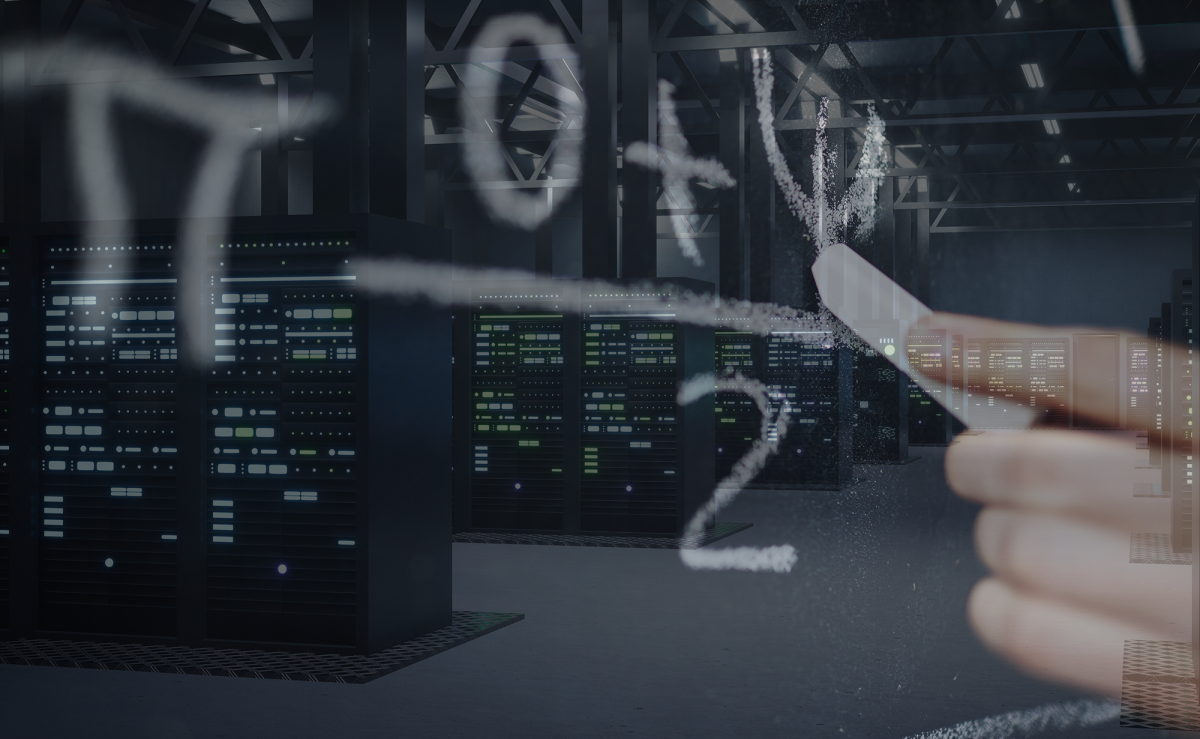
Plus, generative AI is horrible for the environment, primarily because of extremely high water and energy consumption, and that contributes to water scarcity and carbon emissions, and may displace many workers. It requires vast amounts of water to cool the servers, which generates a lot of heat, and often uses the energy coming from fossil fuels, which brings up greenhouse gas emissions and climate change.
According to the International Energy Agency, U.S. data center electricity consumption was approximately 4% of all U.S. electricity demand in 2022 and could be 6% of demand in 2026. Considering that we use electricity every day for various purposes, the fact that the percentage is so high is very surprising and concerning.
The risks and benefits are unclear, but it seems that the downsides and long-term effects of AI outweigh the positives and will definitely affect more than just schools in the long run.