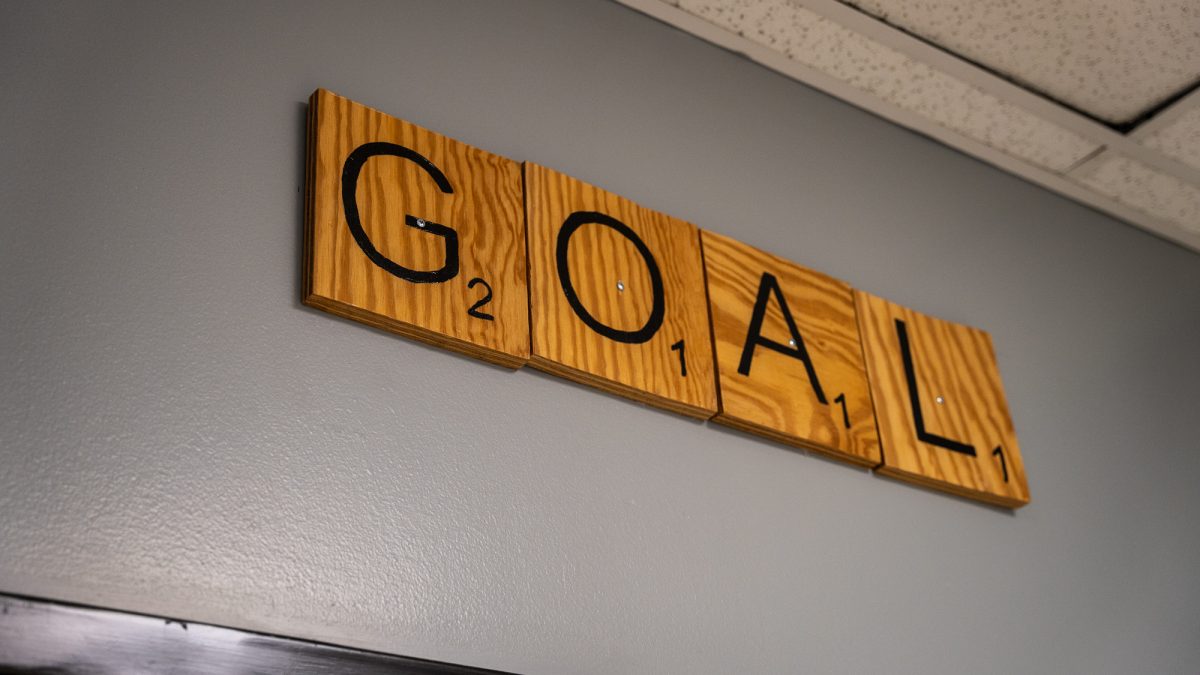
Trips to the local theater, biology olympiads and quiz bowls, architecture workshops and investment programs – all doors that are opened for GOAL students.
GOAL (which stands for Gifted Opportunities for Advanced Learners) is North Allegheny’s gifted education program. It offers a substantial variety of unique learning opportunities, from career exploration to special field trips.
According to Chapter 16 of the PA School Code, every school district in Pennsylvania is required to offer a gifted education program, though districts have flexibility in how they fashion their own programs.
At North Allegheny, GOAL activities are open to all students. However, information about them is often primarily shared with GOAL participants at monthly meetings. GOAL students also receive emails regarding upcoming activities. Students who are not identified as gifted can access a list of upcoming GOAL activities on the NASH Student Canvas Page, though most students are not aware of this resource.
But this inconsistent sharing of information leaves some students unaware of experiences they may have otherwise taken advantage of and benefited from. So when opportunities are available to all but only consistently advertised to a select group, who truly benefits? Understanding how access is distributed can help examine how schools like North Allegheny support or unintentionally limit students’ development and potential.
Inside GOAL, students regularly engage in experiences that extend learning past the typical classroom experience. For example, students recently attended an architecture workshop where they heard from a professional about different career paths. The week before, they visited the New Hazlett Theater to see a production of Edgar Allan Poe’s classic tales. Scientifically inclined students often attend Cleveland Clinic medical seminars or participate in state science fairs.
All of these activities give students the chance to explore potential interests and gain exposure to real-world applications of their learning. But access to these programs is usually directly communicated only to GOAL students. While participation is technically open to any student, those outside GOAL often hear about these experiences by word of mouth — and inconsistently at best.
Gifted students are typically identified in elementary school through teacher recommendations and subsequent screening tests. While early identification may be useful in providing additional resources to young students who are developing more quickly than others, students’ academic performance continues to grow and change through middle and high school. Those who develop academically at a later stage may never receive the same exposure or encouragement as those in GOAL, regardless of whether having the same opportunities would allow them to excel.
This early selection process raises questions over fairness and inclusivity in high school. While GOAL can accelerate learning for students who were ahead in elementary school, the program’s communication methods in higher grades unintentionally reinforce old labels and overlook students whose interests and abilities evolve later.
Even with communication efforts through the morning announcements and Canvas, some students perceive GOAL opportunities as targeted toward a specific group. This perception may accidentally discourage active participation from students outside of the gifted program.
It is true that some students benefit from specialized attention due to advanced abilities and gain from targeted enrichment. As a member of the program, I can attest to importance of GOAL activities during my high school years. GOAL provides its students with challenges and experiences that match their skills, giving them space to explore their interests more deeply. While recognizing and supporting gifted students is important, the current system inadvertently excludes others who could equally benefit.
Of course, achieving greater inclusivity for GOAL activities is not as simple as making communications more consistent. Challenges such as bus transportation, participant capacity, chaperone availability, and so on will not always be easy to overcome. However, it is worth taking action to address these obstacles in order to provide equal opportunity to all students.
One way to make GOAL more inclusive could be to rethink how students are informed about enrichment opportunities. Communication about opportunities could be broadened to the entire student body via email. This would give more students the chance to engage in experiences that match their interests and abilities and allow North Allegheny to preserve the benefits of GOAL for identified students.
Ultimately, examining how these opportunities are shared can lead to a broader conversation about what academic enrichment should look like in a large and diverse high school. Improving access does not require diminishing the support that gifted students receive. Rather, it could be through small adjustments to the existing system to better reflect how students grow and change over time.
Small shifts like these could help ensure that enrichment opportunities feel accessible for any students who wish to pursue them.
_______________________________
Editors’ note: All opinions expressed on The Uproar are a reflection solely of the beliefs of the bylined author and not the journalism program at NASH. We continue to welcome school-appropriate comments and guest articles.