On February 6th, approximately 2:00 p.m. EST, the opening ceremony of the 2026 Winter Olympics began. The Olympics are known for bringing together communities, cultures, and countries to cheer on some of the world’s best athletes. This year is no different. Countries compete in various winter sports to achieve one goal: to win gold.
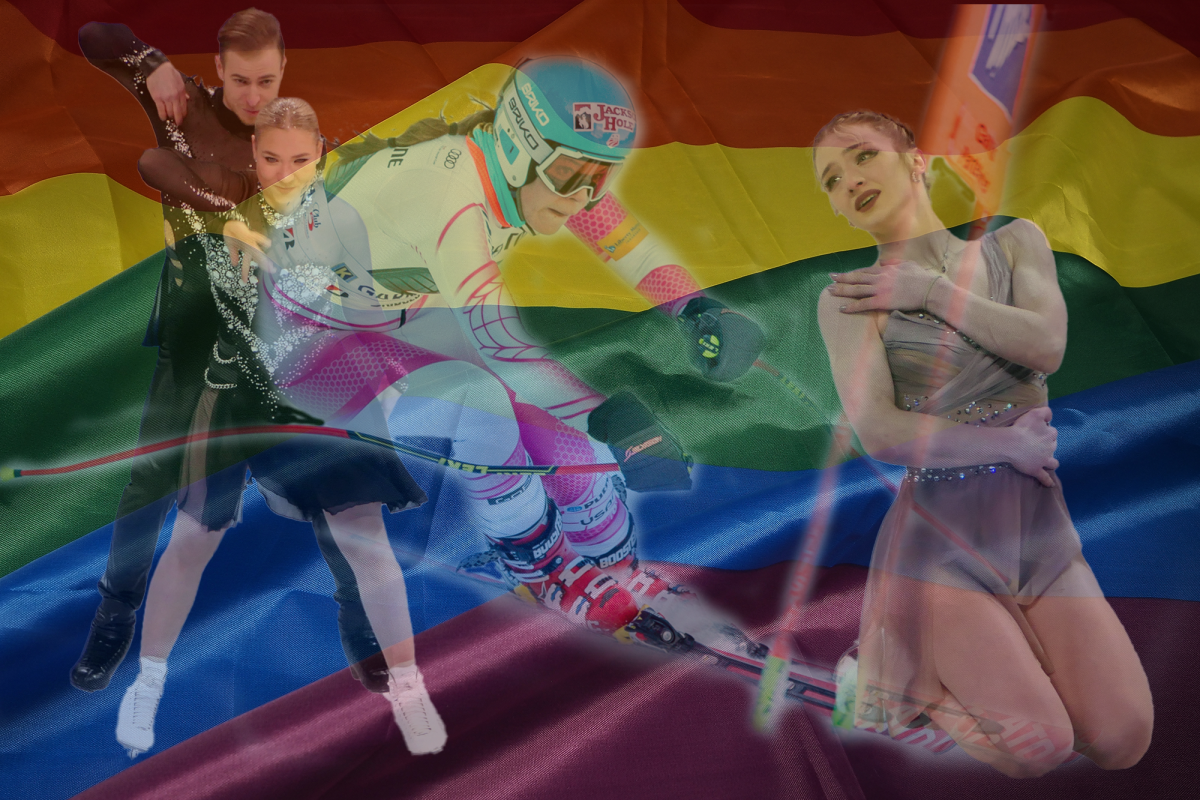
However, this year has seen a significant increase in the number of LGBTQ+ athletes competing in the games.
The Milan Winter Olympics has broken the record for the most LGBTQ+ athletes competing in the winter games (the 2024 Paris Summer Olympics had a record-breaking 193 LGBTQ+ athletes). Out of this winter’s estimated 2,900 athletes, 49 of them are reported to be out as a part of the queer community.
The United States is home to eight of the 49 athletes. Seven of them are women, including downhill skiing gold medalist Breezy Johnson, figure skating gold medalist Amber Glenn, snowboarder Maddy Schaffrick, speed skater Brittany Bowe, and hockey players Hilary Knight, Alex Carpenter, and Cayla Barnes. Speed skater Connor McDermott-Mostowy is the male who makes the eighth queer athlete for the U.S.
The queer Olympians make up only a total of around two percent of all the athletes participating in the games. Two percent may seem too small to be significant. However, even in small numbers, these athletes are empowering the LGBTQ+ communities in a plethora of countries.
Homophobia is present all over the world, and unfortunately many people in the community struggle from discrimination, whether it be from relatives or strangers. While queer Olympians won’t defeat homophobia, they can be positive role models to many who are struggling.
Currently, viewers are not just watching for the medals, they are watching for affirmations. 66% of LGBTQ+ individuals believe that the Olympics are a time to get together with family and friends to watch some of the greatest athletes compete. This shared experience can help others open their eyes to different countries, cultures, and communities.
For many viewers, this is the first time they are able to see openly gay athletes compete. Social media stigmatizes what it is like to be a queer individual in the 21st century, however, these Olympians prove that you can be proud and happy at the same time. This is a crucial message to send to LGBTQ+ children who are scared to come out.
Oftentimes kids are afraid to come out. They are concerned about how others will view them. They are concerned about whether their families will support them. And if they are religious, they may fear what their church may think.
These external issues often lead to serious internal issues, like mental health issues. Because of the potential discrimination, queer children are often more likely to struggle from issues such as anxiety, depression, and suicidal ideations. A vital protective factor is having a supportive adult in the family or elsewhere in their daily lives.
LGBTQ+ visibility is extremely important. Queer youth often feel like they are different from everyone, thus making them feel alone. Growing up without queer role models is extremely difficult because one cannot see all the successful paths a queer person can take. People struggle from all types of anxieties when coming out, but having that one role model there could lend a helping hand.
“They are very important because of [they present] inclusivity and an opportunity for younger audiences to look up to them,” NASH senior Alexandra Edfors stated when asked about queer Olympians.
Visibility is life-saving. It makes people feel included and not estranged for their orientation. With something as big as the Olympics, this visibility can be seen all over the globe.
Not only are there openly gay athletes competing, this year there is also an openly transgender athlete. Swedish mogul skier Elis Lundholm is the first ever openly transgender Olympian to compete in the Winter Olympics. However, due to certain rules and regulations, he’s competing in the women’s competition.
Lundholm is using his platform as an Olympic athlete to raise awareness about the struggles transgender people face while participating in sports. There has been much debate about whether or not to let transgender people compete in the same sections as cisgender people. Many argue that having a transgender woman compete alongside cisgender women would be unfair because of their exposure to testosterone. However, there seem to be no notable advantages because of their access to gender-affirming care.
Even with all of this known, it is still difficult for many to accept that transgender people should be allowed to compete. Lundholm finished 25th in the women’s mogul, falling short of finals. He did not possess any advantages when facing his female counterparts.
The Olympics have also highlighted the support within the mogul-skiing community. Lundholm reported support from his Swedish team as well as his opponents. Female American mogul skier Tess Johnson was open with her support of Lundholm being the first transgender Winter athlete.
“I think having gay Olympians being consistently represented and shown in the media shows the queer youth community that it is okay to be who you are and that who you are will never limit you. It’s important to have that representation,” NASH senior Denisse Matos-Perez stated.
Another NASH senior, who wished to remain anonymous, agreed with Matos-Perez.
“I think diversity like that can empower the aspiring younger generations because they see people like them being successful and think ‘hey, I can do that too.’”
Inclusion right now is important more than ever. With the world being so split on accepting the LGBTQ+ community, having a platform like the Olympics to spread information is crucial for the younger generation. While 49 might seem like a small number, they are doing their part to spread awareness and visibility for their community.
“I hope that I can use my platform and my voice throughout these Games to try to encourage people to stay strong,” said American figure skater Amber Glenn.
_______________________________
Editors’ note: All opinions expressed on The Uproar are a reflection solely of the beliefs of the bylined author and not the journalism program at NASH. We continue to welcome school-appropriate comments and guest articles.