

Just by walking through the halls or sitting in a classroom, you’re bound to notice posters advertising educational trips to faraway places. The opportunity, although available to anyone, can be incredibly daunting to even consider. Leaving your home for a couple of weeks, accompanied by total strangers, and forced to communicate in a language you don’t understand may seem terrifying to many.
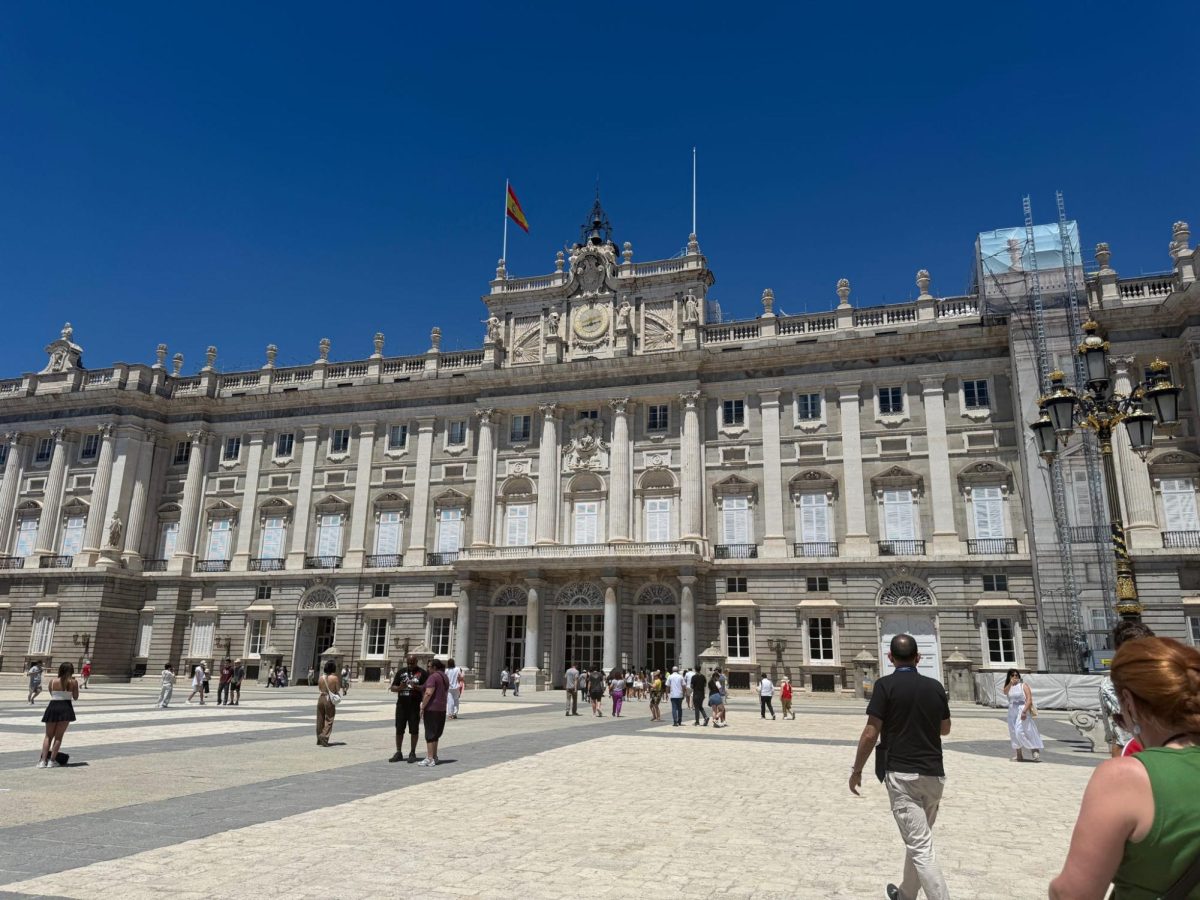
In my own experience, forcing myself to take that first step and sign up for an educational trip was difficult. After enduring a nine hour plane flight, I traveled over two weeks throughout eight Spanish cities, beginning in the capital city of Madrid and finishing in Barcelona. And although the trip presented many challenges along the way, it was the most rewarding experience of my life and I wouldn’t change it for the world.
Others might not be as easily persuaded to leave home for a foreign country. Whether it be travel anxiety, fear of going solo, or even the potential cost of a trip, there are a multitude of reasons which hold students back from leaving their comfort zone and trying something new. But the lessons we learn and the things we experience through travel are worth the hardships that may come with it.
By living in a different culture for a couple of weeks, the perceived differences you may have formed regarding others dissipate. Prejudices, regardless of intention, fail to persevere when we are met with those who defy them. Seemingly superficial reasons for traveling, such as the food we look forward to eating, can immerse us in another culture and way of life.
“I think there are many reasons why one should study abroad, including learning about various cultures, but I also think that there is a difference between being a tourist and a traveler. Tourists go to the big landmarks and famous sights while a traveler gets the opportunity to immerse themselves in a culture. In other words, they get the chance to smell the roses,” said Mr. Pirring, the sponsor of Travel Club.
Others may be afraid of immersing themselves in another culture because of language barriers. But these barriers are a tool for connection, not for separation. During my trip to Spain, I was afraid to speak Spanish because I was worried that I was not skilled enough to communicate well. But the reactions of native speakers to hearing someone try to speak their language, instead of just defaulting to English, proved that making an effort to understand someone’s culture is more meaningful than being fluent. People appreciate that you care enough to try to understand their way of life, rather than expecting others to assimilate to your own.
A trip to Greece was organized last summer by NASH social studies teacher Mr. Pirring. Students explored famous Greek cities, learned about well-known philosophers, and traveled by cruise to different Greek islands.
“I like immersing myself in other cultures to learn about how other people live and communicate. That’s how we unify each other and overcome differences,” said NASH senior Abby Gibbs, a student who went on the trip to Greece.
Another reason to sign up for a trip abroad is the convenience. By traveling with an educational group, your itinerary, flights, meals, and lodging are all organized beforehand. Once you arrive at the airport, everything is planned in order to avoid hassle and stress.
Traveling through school programs can also help someone understand more about themselves and what they might want to do in the future.
“I learned a lot about ancient history and recent history and how they both tie together. I also learned about what I might want to do someday in college and in my future career,” said NASH senior Cate Lukitsch, a traveler on the trip to Greece.
The art and history that we experience in other countries is so vastly different from our own here in the United States. Because the U.S. is such a young country, most of our history and monuments are relatively new in comparison to the rest of the world. In Spain, specifically, I had the privilege to visit aqueducts built in first century A.D. and a town constructed in 193 B.C. The opportunity to learn about such rich history is not available to us here in America, which gives us more reason to take advantage of these opportunities.
“The growth that one will experience and the independence that you will gain from studying abroad is second to none. It is a surefire way to mature and experience life on your own. I think every student should do it because it gives you confidence you won’t get anywhere else,” Pirring explained.
Although fear is a significant factor in holding us back from putting ourselves out there and traveling to a new place, it is important that we forget our own judgment and move forward with an open heart and mind. Travel is an experience that you will cherish forever and it is important that you grasp the opportunity while you still can.

Andrew Gwon • Mar 4, 2026 at 2:14 pm
I totally agree about the difference between being a tourist and traveler, as one of the best parts about these things is the immersion you would not otherwise get. Personally, I spent a year in Germany through CBYX which I value immensely, so I know what it feels like!