
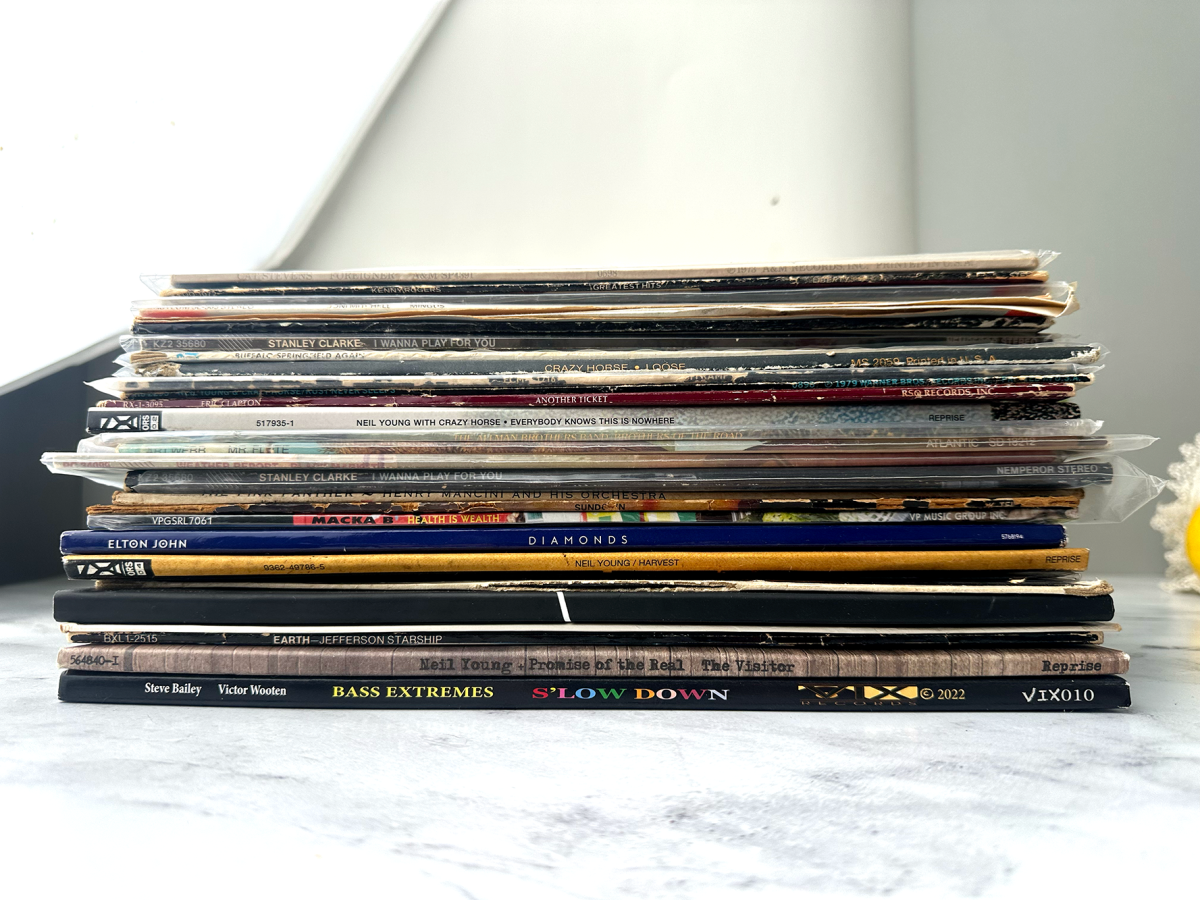
As the world continues to invent new avenues for entertainment, older forms of media become antiquated and often perceived as useless. But for many teenagers, these retro items create an important outlet for self-expression.
With streaming becoming more and more popular, the way that we watch movies and listen to music has significantly changed. We have the ability to access content from our phones, making media accessible from anywhere at any time.
The downfall of retro media has resulted in the end of many iconic franchises, such as Blockbuster and Redbox. Older adults who have experienced the popularity of VHS tapes, CDs, and vinyl records in decades prior have decided to donate these pieces of forgotten media to Goodwill, antique stores, or garage sales.
As a collector of vinyl records myself, the vast majority of my collection has come from older adults who no longer see a use for their records or have no space to store them. These records, although worn and slightly fragile, are still functional and can give teenagers an appreciation for the decades that their loved ones have lived through and the music that is special to them.
“I started collecting retro media when my father would bring home computers his workplace was getting rid of,” said NASH senior Jonathan Geier. “I collect all kinds of media, such as video, audio, and gaming.”
Loved ones can also inspire teenagers to listen to older forms of media.
“A friend recommended collecting vinyl records to me, and after I mentioned it to my grandma, she sent me a vinyl record player through the mail,” said Ella Mensch. “It helps me connect to the music that she used to listen to.”
And although collecting retro pieces of media can be exciting and immersive, it is also a huge game changer when it comes to cost. For instance, most vintage vinyl records you can find at antique stores go for under ten dollars.
“I originally started collecting what was cheapest. Whenever something got too expensive, I would move on to the next thing,” said Geier. “Through this process, I’ve collected DVDs, VHS tapes, Laserdiscs, film reel, and much more.”
A large piece of why many gen-Z aged teens have reverted to older forms of entertainment is the aspect of personal ownership.
“I’ve used both Apple Music and Spotify,” said senior Alicia Gasana. “A downside to streaming is that you pay monthly for music you don’t even own. Once you stop paying, all your playlists cease to exist.”
Gasana, an iPod user, actually got her start with another form of media.
“It all started with me burning CDs to listen to in my car. I then transferred those CDs to a seventh generation iPod and haven’t looked back,” she said. “I get to listen to my music without the distractions of my phone notifications. Also, the early 2000s just had cool tech I wanted to experience again!”
The technology of retro forms of music can also have benefits that outweigh modern convenience.
“The best part is the endless battery life, tons of storage, and a WiFi free design! MP3 players were ahead of their time, so I definitely recommend listening to music like it’s 2006 again!” said Gasana.
“The quality of music on vinyl records sounds more authentic. It feels like an artist is singing in the same room as you, instead of singing from an iPhone speaker,” said Mensch.
Teenagers, by collecting and using older forms of media, are unknowingly seeking a deeper connection with the art and film they identify with. In a culture where convenience is so important, high schoolers are appreciating the value of ownership and art, rather than following norms.

Shanmukha • Mar 18, 2026 at 8:59 am
Old is gold, they say!