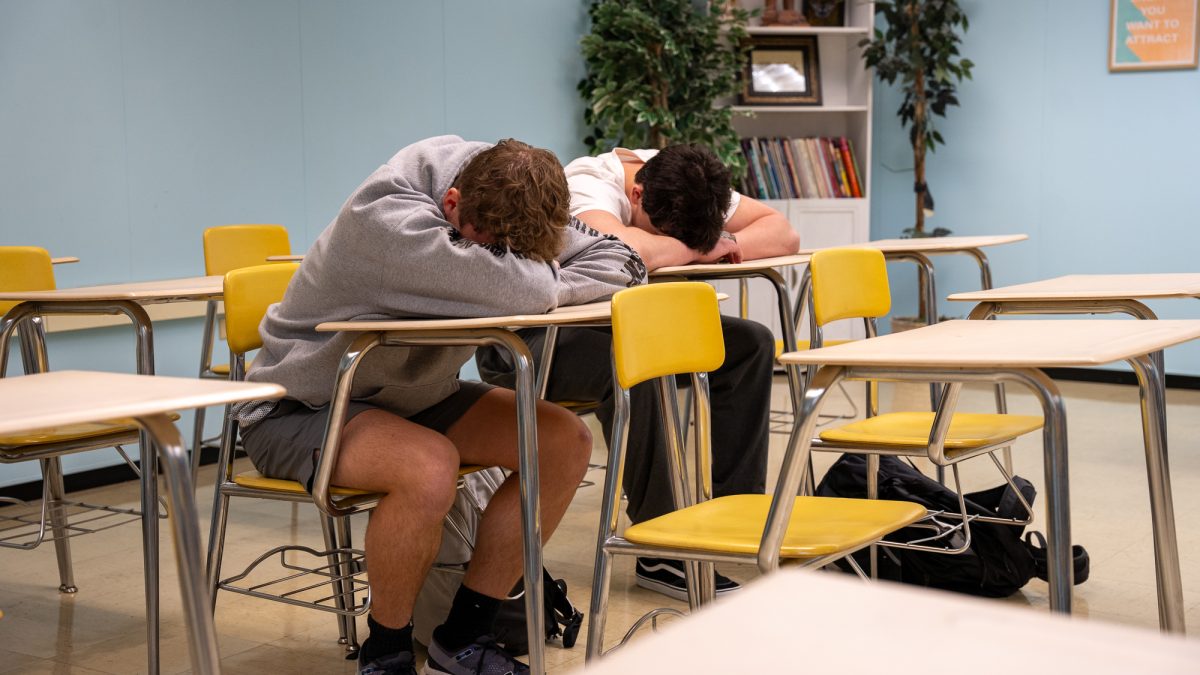
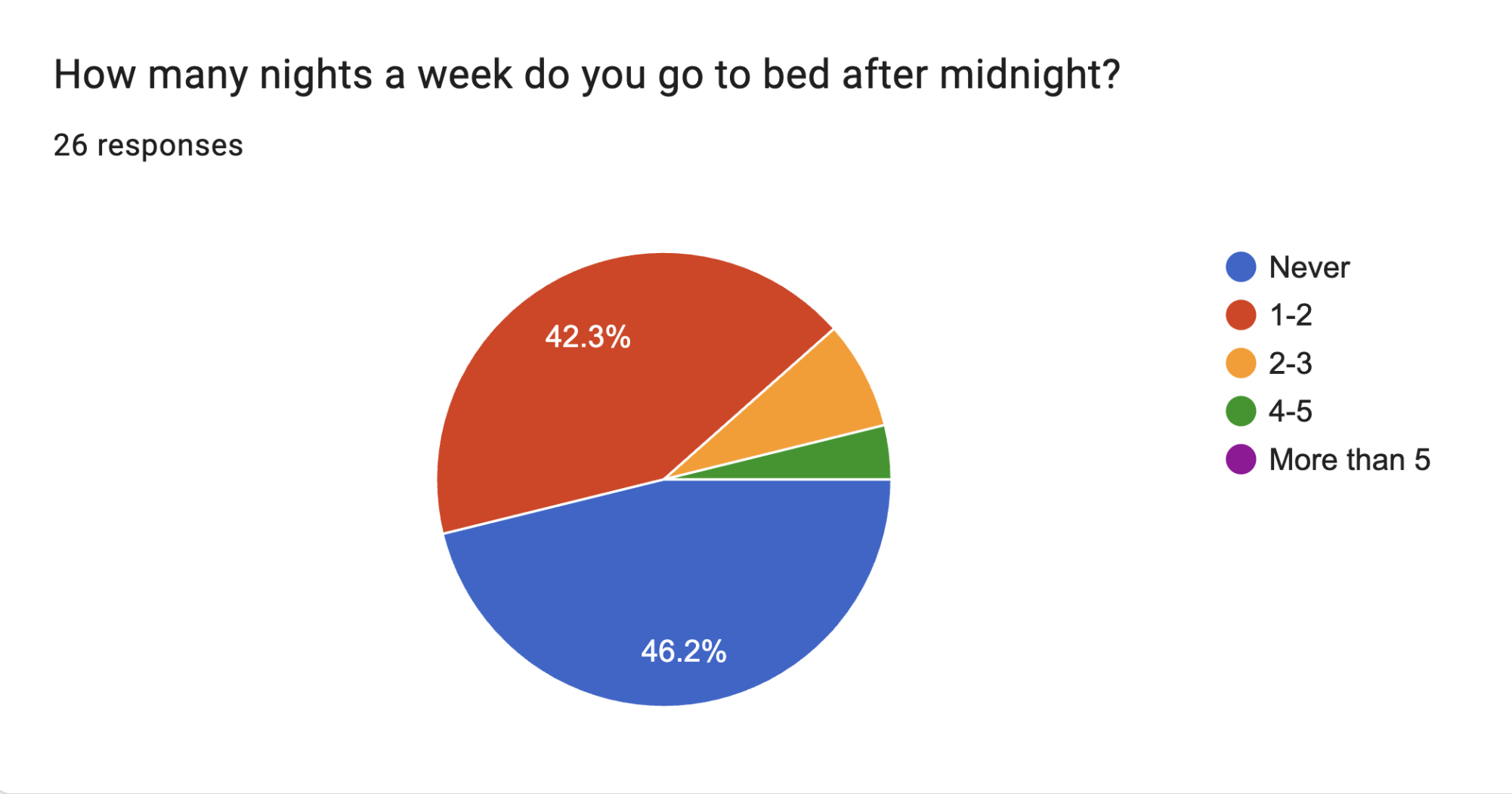
It is Tuesday night and the clock reads 12:08am, but you are still finishing your calculus homework. After finally getting in bed, you fall asleep the moment your head hits the pillow, only to wake up at 6:00am and head back to school. Then following the school day, you need to complete more homework, compete in sports, and mentally prepare for the evening ahead. Finally, you get in bed super late only to get up too early and do it all over again.
The problem is clear: Teenagers need more sleep.
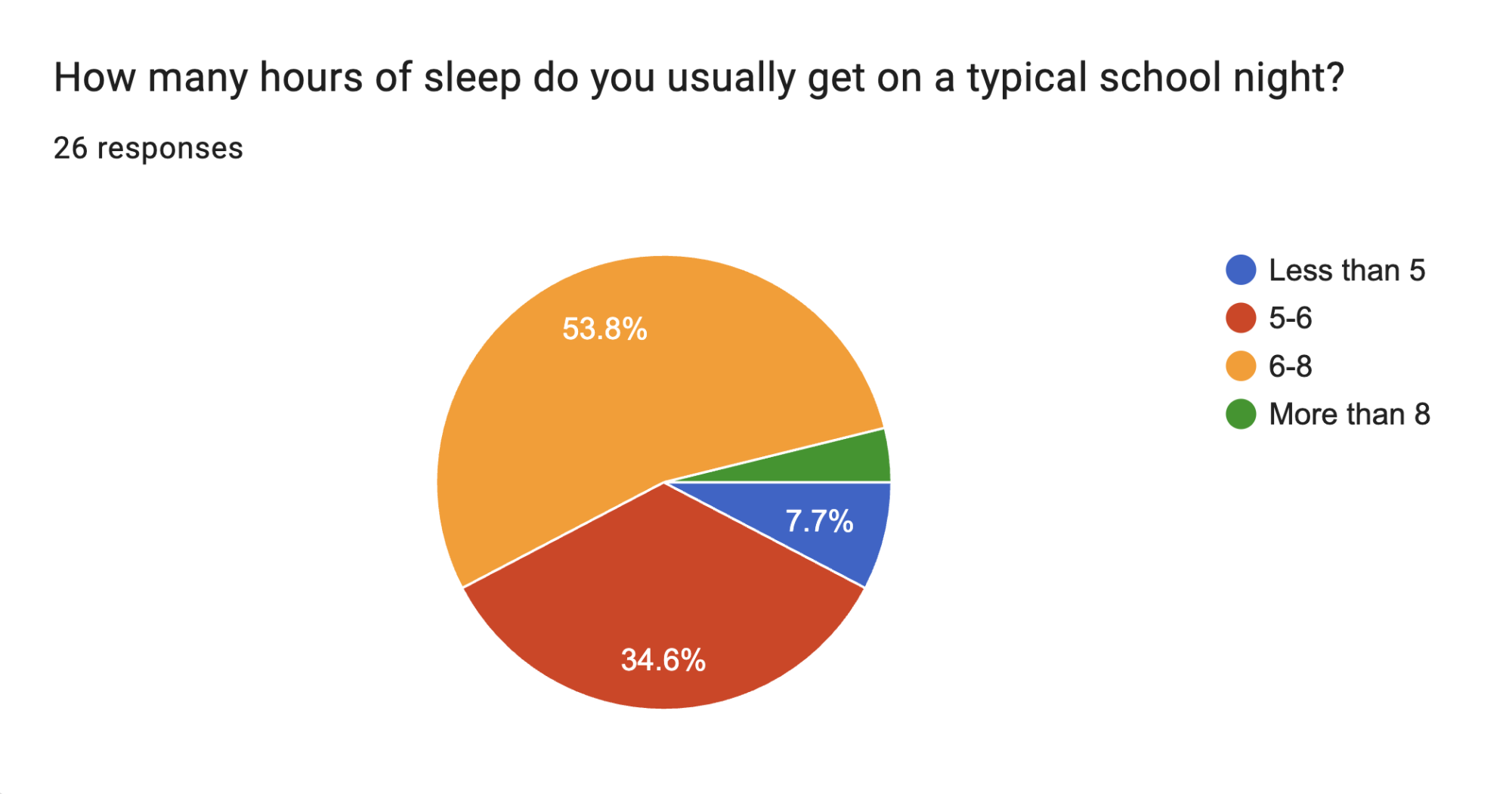
Adopting good sleep habits is crucial during this point in teenagers’ lives. According to Johns Hopkins Medicine, teenagers need nine to nine and a half hours of sleep a night. When surveyed, however, most students at NASH reported getting between six and eight hours every night. In fact, a little less than four percent of students surveyed reported getting more than eight hours of sleep each night.
Stanford LifeStyle Medicine found that people who stay up late, whether they are morning or night people, are much more likely to suffer from depression and anxiety. Many students already struggle with mental health issues, but going to bed late is just making it worse. Even slightly earlier bedtimes can make the biggest difference in reducing mental health risks.
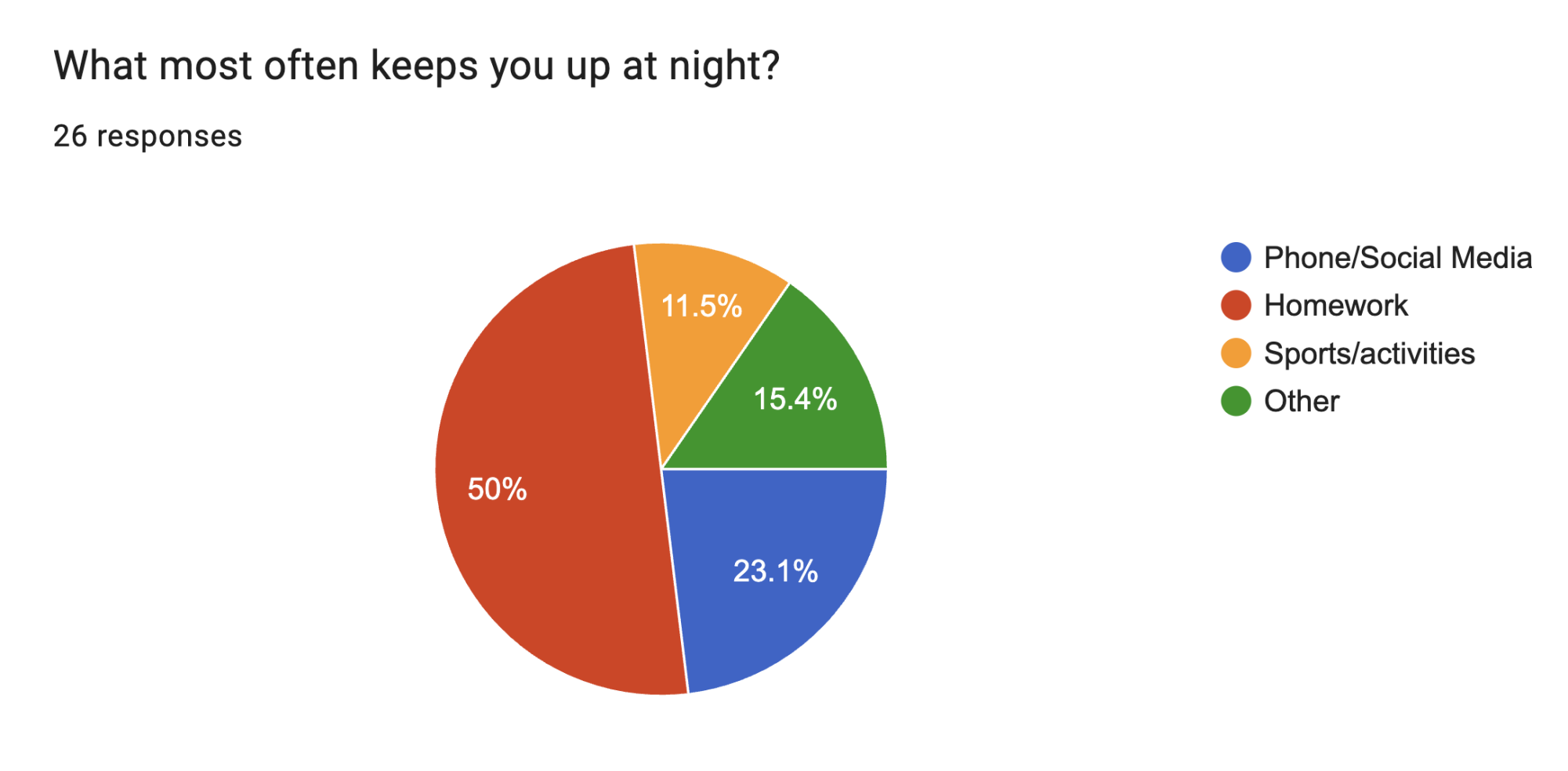
After school, many NASH students participate in sports, clubs, homework, and some just take a break from the busy day. Although the school day ends at 2:15pm, in reality most students get home closer to six o’clock in the evening.
“I go straight to work after school and after that it is either sports practice or homework,” NASH junior Megan Sweeney said. “I would say my average bedtime is 11:00 and I usually get up around 6:00.”
These detrimental sleep habits have countless negative effects. According to the National Sleep Foundation, fatigue leads to over 100,000 car accidents each year.As many students drive themselves to school and other activities every day, sleep deprivation is a serious concern. Similarly, after lack of sleep teenagers are less able to regulate their moods. Many are often short-tempered, leading to frustrations throughout the day. They find themselves relying on caffeine way too much to keep themselves going through the school day.
While many students cannot change start school times or activities, they can do things to help maximize and improve the quality of sleep they get. For example, getting a consistent wake-up time will help make getting out of bed easier. Additionally, teens can improve sleep quality by limiting screens before bedtime. This helps wind down the brain and lower stimulation and stress levels. The best solution is setting up a bedtime routine that includes signals to slow the body down, such as dimming the lights or reading.
Teens are not just tired — they are overextended. Late bedtimes and early mornings are not working. Unless schedules change, the problem will likely never go away on its own.